10 Ways to Copy Sax Masters and Discover Your Own Sound
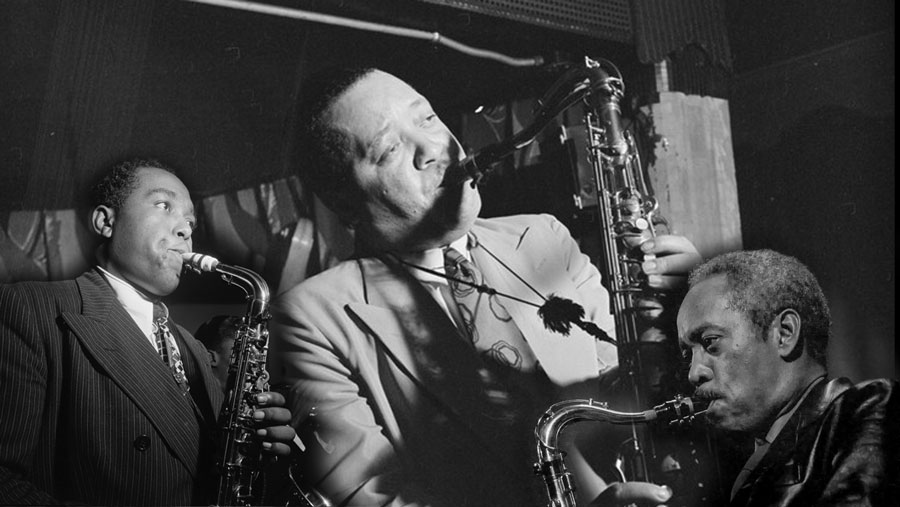
There’s a paradox at the heart of musical imitation: the closer you study someone else’s playing, the more deeply you discover yourself. Every great improviser – from Bird to Brecker, from Trane to Shorter – spent years absorbing the language of those who came before. They didn’t end up as copies. They ended up as giants.


The goal of copying isn’t to sound like someone else. It’s to expand your musical vocabulary, internalize new ways of thinking on the horn, and eventually fold those influences into something that is unmistakably yours. Here are ten ways to do it with intention.
1. Transcribe by Ear First – Always
Before you look up a transcription online, struggle with it yourself. Pick a short phrase – four bars, even two – and work it out note by note. The process of searching, guessing, and correcting trains your ear in ways that reading someone else’s transcription never will. The goal isn’t the notes on the page. It’s building the internal map between what you hear and what your fingers do.
Start slow. Use software like Transcribe! or Amazing Slow Downer to drop the tempo without changing pitch. Isolate phrases and loop them until they’re in your body, not just your head.
2. Learn the Transcription in All 12 Keys
Once you have a phrase down in the original key, move it. All the way around the circle of fifths. This is where imitation stops being imitation and starts becoming internalization. When you can play a Coltrane lick in F# as naturally as you can in Bb, it’s no longer his lick – it’s part of your vocabulary.
This step is tedious, which is exactly why most players skip it. Don’t skip it.
3. Sing What You’re Copying
Sing the phrase before you play it. Sing it in the shower. Sing it while you’re driving. The saxophone is a voice, and the musicians you’re copying were singing through the horn – they were just doing it with their hands and breath. The more the phrase lives in your voice, the more naturally it will come out of your bell.
This also reveals whether you’re actually hearing the music or just reproducing fingering patterns. If you can’t sing it, you don’t own it yet.
4. Steal the Feel, Not Just the Notes
A transcription captures pitches and rhythms, but not the life inside them. Pay attention to tone, articulation, vibrato, breath phrasing, and dynamics. How does Cannonball attack a note versus how Dexter does it? How does Brecker’s subtone differ from Getz’s?
Shadow the player. Mimic the inflections. Play along with the recording and try to match the sound coming out of the speakers as closely as you can. You are doing a full-body impression, not just a note reproduction.
5. Analyze the Vocabulary, Not Just the Licks
After you’ve learned a phrase, ask: why does this work? Is it a chromatic enclosure? A pentatonic run over a dominant chord? A rhythmic displacement of a simple idea? Understanding the logic behind a player’s language lets you generate new phrases in their style – which is far more useful than memorizing licks to quote verbatim.
This is the difference between learning words and learning grammar. You want the grammar.
6. Pick One Player for a Season
Scattering your copying across twenty players at once produces a cluttered, incoherent vocabulary. Instead, commit to one player for a significant stretch – three months, six months, a year. Go deep. Learn multiple solos. Listen obsessively. Read interviews. Understand what era of their playing you’re in.
When you come up for air, you’ll find that player’s influence woven into your playing in ways you didn’t consciously plan. Then you move on to the next one. Layers of influence, over time, become your voice.
7. Play Along With the Recording – Live
Put on a record and play along with the original artist in real time. Not to copy them phrase for phrase, but to improvise with them – responding to what they play, finishing their sentences, going in a different direction. This is interactive listening at its highest level.
You’ll be forced to match their time, their energy, their intensity. You’ll notice when your phrasing feels stiff against theirs. You’ll find moments of genuine musical dialogue. This exercise gets you inside a player’s world faster than almost anything else.
8. Use Their Language in Your Own Solos
After woodshedding a transcription, the next step is deployment. At your next jam session or practice session over a backing track, intentionally use one or two phrases you’ve learned. Just drop them in. See how they fit, how they feel in context, what comes before and after them naturally.
Over time, the borrowed phrases will start to blend with your own tendencies. The seams will disappear. That’s when you know it’s working.
9. Study Players Outside Your Comfort Zone
It’s easy to copy players who already sound like you – or who you already love. The more valuable work is to go somewhere uncomfortable. If you’re drawn to lyrical playing, spend time with someone angular and rhythmically aggressive. If you’re a bebop player, go deep on someone outside the tradition.
Your vocabulary grows at the edges. The influences that surprise you, that initially even frustrate you, are often the ones that change you the most.
10. Trust the Long Game
You will not sound like yourself right away. During a period of heavy copying, your playing might actually feel less like you – more imitative, more borrowed, more uncertain. This is normal. It is the process working.
The musicians who shaped your heroes went through the same thing. Bird had his Lester Young period. Trane had his Bird period. Brecker absorbed everyone. They all came out the other side more themselves than they would have been without that apprenticeship.
Copy boldly. Imitate shamelessly. And trust that your own voice is not something you need to protect from influence – it’s something that grows through it.
The masters didn’t arrive fully formed. They listened, they absorbed, they borrowed, they transformed. So can you.